Carmen Martín Gaite & Cleopatra
A Spanish novelist and an Egyptian queen discuss how stories shape power and legacy
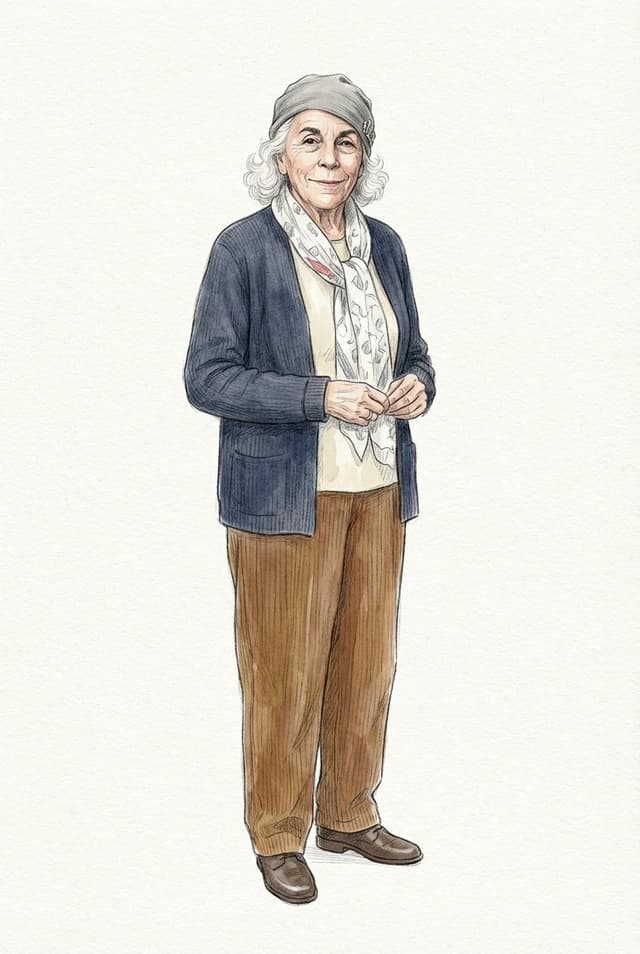

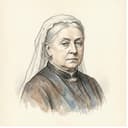
Carmen Martín Gaite
1925–2000 · Spanish
One of Spain's most celebrated 20th-century novelists, known for exploring memory, solitude, and the inner lives of women under Franco's dictatorship.
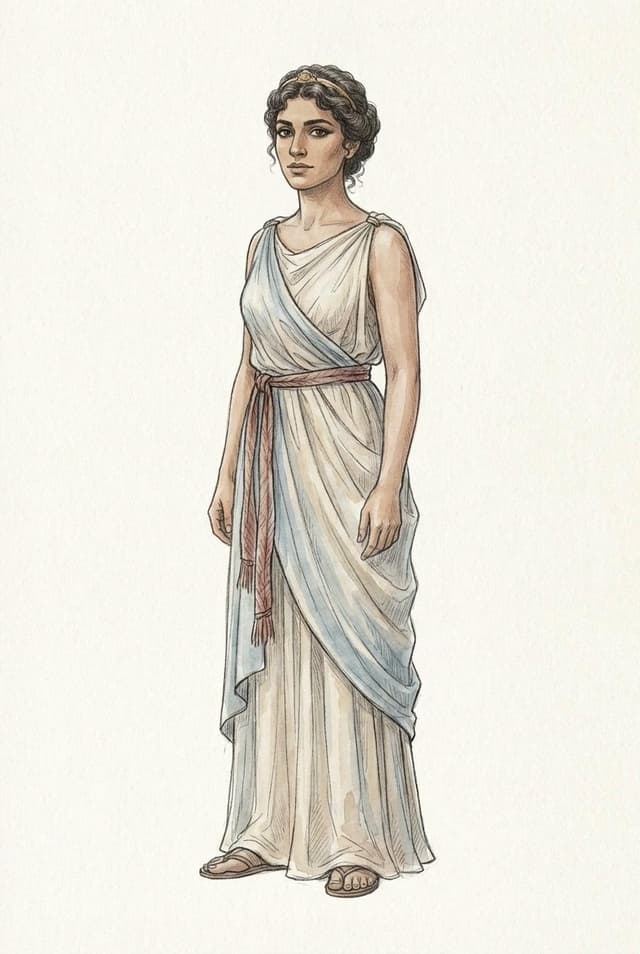
Cleopatra
69 BC–30 BC · Egyptian
Last active ruler of the Ptolemaic Kingdom of Egypt. Her legendary beauty, intelligence, and relationships with Julius Caesar and Mark Antony have fascinated history for millennia.
Their Lifetimes
1955 years apart Cleopatra
 Carmen Martín Gaite
Unexpected Parallels
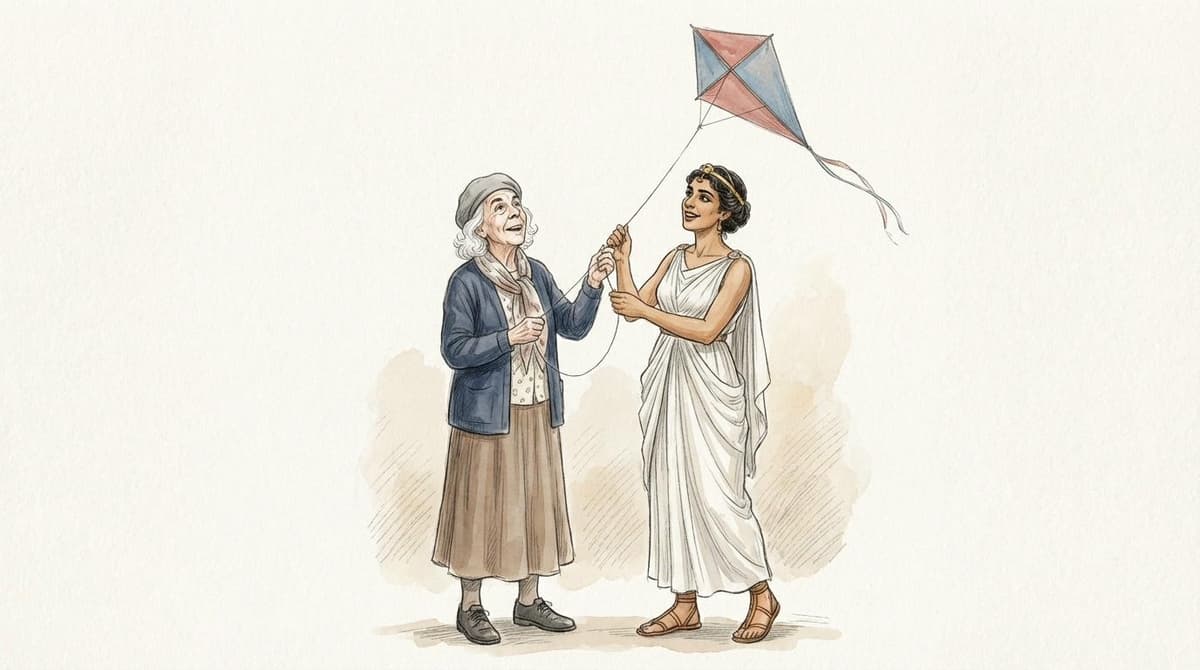
A Spanish novelist and an Egyptian queen might seem worlds apart, but both understood that whoever controls the narrative controls history. Cleopatra knew her story would be written by her Roman enemies, yet she crafted her own legend through spectacle and alliance. Carmen spent her life exploring how stories—official and personal—shape our understanding of the past. Both women lived under regimes that sought to silence them: Cleopatra under Roman expansion, Carmen under Franco's censorship. Both found power in words and narrative, understanding that the stories we tell about ourselves and others are never neutral.
About Carmen Martín Gaite
Carmen Martín Gaite grew up in Salamanca during the turbulent years of the Spanish Civil War and came of age under Franco's repressive regime. She studied Romance Philology at the University of Salamanca, where she met fellow writer Rafael Sánchez Ferlosio, whom she later married.
Her novels and essays explored the constrained lives of women in post-war Spain, the nature of memory, and the power of conversation. Works like "El cuarto de atrás" (The Back Room) blended autobiography with fiction, examining how narrative itself shapes our understanding of the past. She won Spain's National Prize for Literature and the Prince of Asturias Award. Beyond fiction, she was a respected historian who wrote about the customs and daily lives of 18th-century Spain. Her work gave voice to the silenced generation of Spanish women who lived through dictatorship.
About Cleopatra
Cleopatra VII was not Egyptian by blood—her family, the Ptolemies, were Macedonian Greeks who had ruled Egypt since Alexander the Great's general claimed the throne. Yet she was the first of her line to learn Egyptian, embracing the culture she ruled. She became pharaoh at 18 alongside her younger brother, whom she was expected to marry according to dynasty tradition.
Her story is inseparable from Rome. She allied with Julius Caesar, bearing him a son, and later with Mark Antony, with whom she had three children and dreamed of a Mediterranean empire. When Octavian's forces defeated them at Actium, she chose death over the humiliation of being paraded through Rome. She supposedly died by asp bite, though the truth is uncertain. What is certain is that she was the last pharaoh, ending over three thousand years of Egyptian rule. History, written by her Roman enemies, portrayed her as a seductress; she was more likely a shrewd politician using every tool available.
Shared Experiences
🤝- ✦ Lived under regimes that sought to control and silence women's voices
- ✦ Understood that narrative and storytelling are forms of power
- ✦ Were scholars as well as public figures—Cleopatra spoke nine languages, Carmen was a historian
- ✦ Their legacies were shaped by others' narratives as much as their own actions
- ✦ Found ways to speak truth through indirect means: Carmen through fiction, Cleopatra through theatre
Worlds Apart
Carmen's WorldCleopatra's World- ✦ Power through published words
- ✦ Legacy in libraries and universities
- ✦ Lived through 20th-century dictatorship
- ✦ Explored interior lives and memory
- ✦ Witnessed Spain's transition to democracy
- ✦ Power through military alliances
- ✦ Legacy in monuments and legend
- ✦ Lived through ancient empire's fall
- ✦ Performed on the world stage
- ✦ Witnessed Egypt's absorption into Rome
The Conversation